

Waiting Chairs For an Eye Care Centre
Of all the rooms in an eye care centre, the waiting area is the one people see the most of. Consultations come and go in minutes and the tests are over quickly, but the waiting area is where the hours actually gather. It fills and empties and fills again from morning to evening, and the seating spread across it carries that traffic without ever being thanked for it.
It is easy to overlook a row of chairs. In a clinic full of clever machines they are, in fairness, the least interesting thing in the building. But they do more for the place than they let on, and an eye centre asks more of them than most settings do.
A visit that is mostly waiting
An eye appointment is rarely a single quick sit-down. There is the registration, the wait before the check, often a round of tests, then the consultation, with a gap between each. Add the pieces together and a routine visit can keep a person in the waiting area for the better part of an hour, broken into a run of shorter sits.
A seat can make that stretch easy or it can make it drag. One with a gentle contour and a back shaped to the spine holds a person through the wait without any thought. A flat, hard slab starts to bite into the back and hips within about a quarter of an hour, and discomfort is the last thing anyone wants when they are already a little anxious about what the visit might turn up.
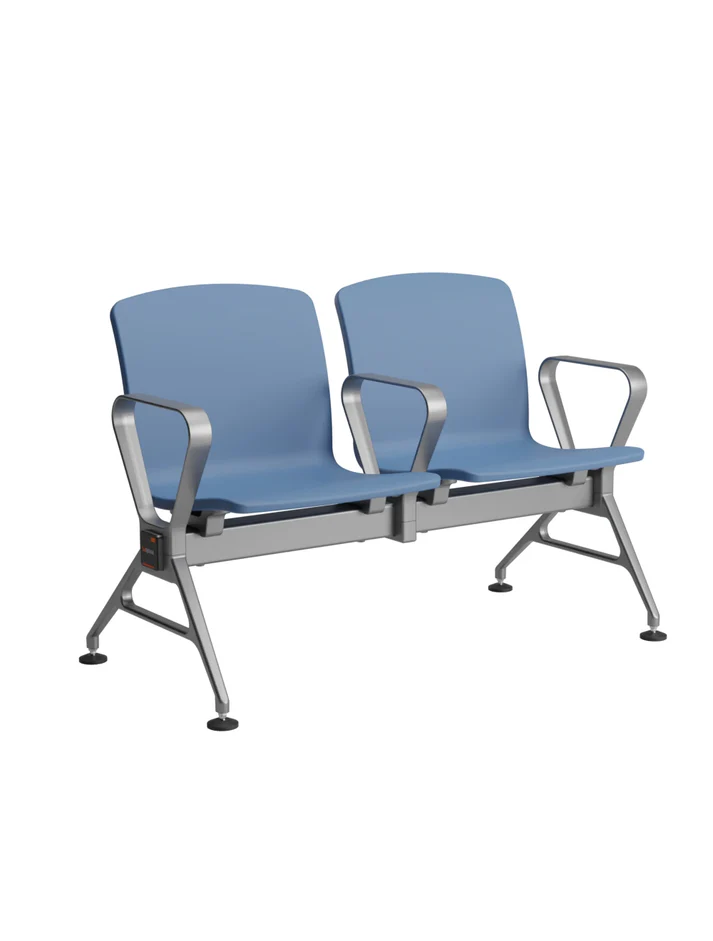
Venus Gang chair – 2 seater
Jupiter Awe – 2 seater
Jupiter Ace Mid Back
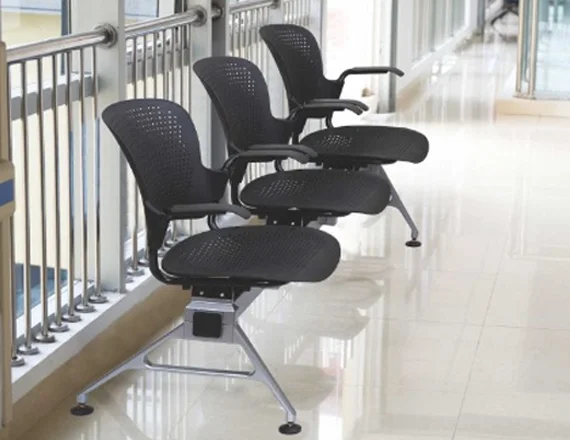
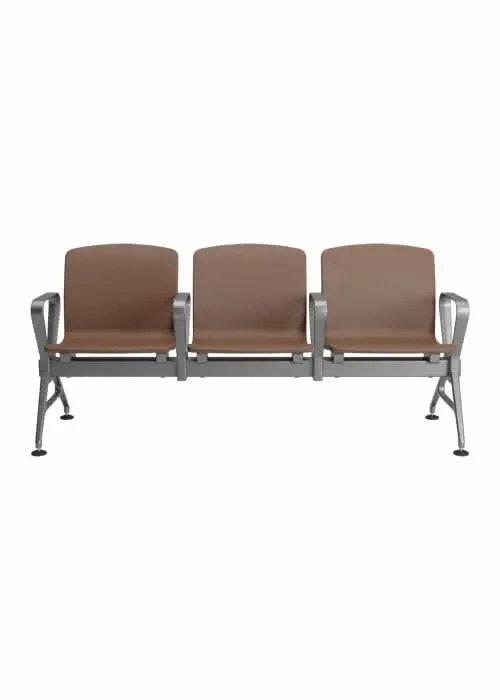
Venus Gang Chair | 3 Seater
Jupiter Awe 3 Seater
Jupiter Ace Mid Back – 3 seater
Venus Gang chair – 2 seater
Jupiter Awe – 2 seater
Jupiter Ace Mid Back
Venus Gang Chair | 3 Seater
Jupiter Awe 3 Seater
Jupiter Ace Mid Back – 3 seater
Venus Gang Chair 4 Seater
Jupiter Awe 4 Seater
Jupiter Ace Mid Back – 4 seater
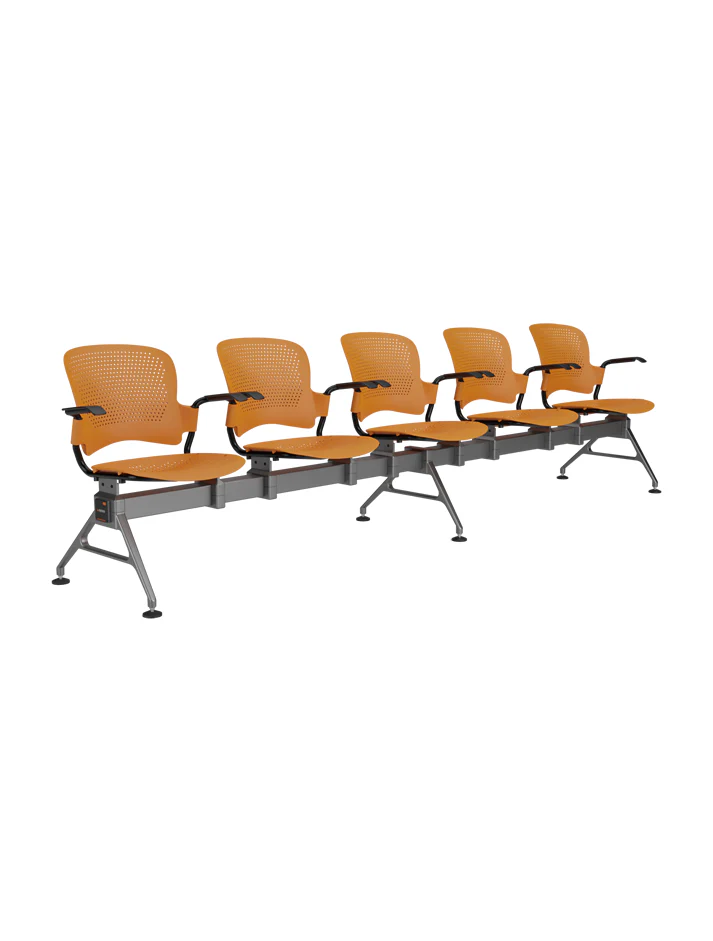
Venus Gang Chair 5 Seater
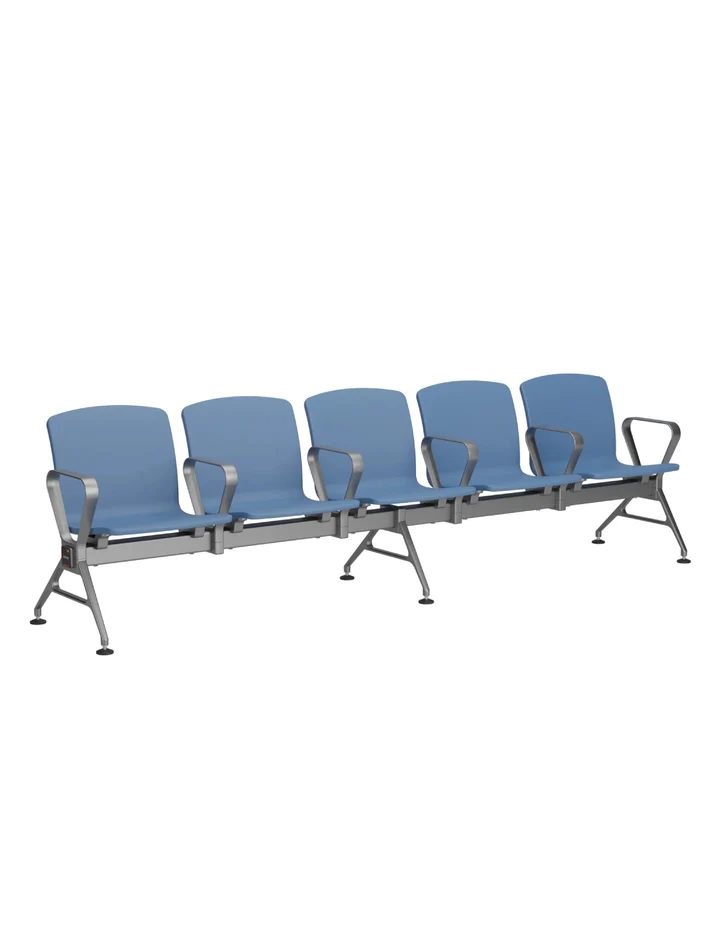
Jupiter Awe 5 Seater
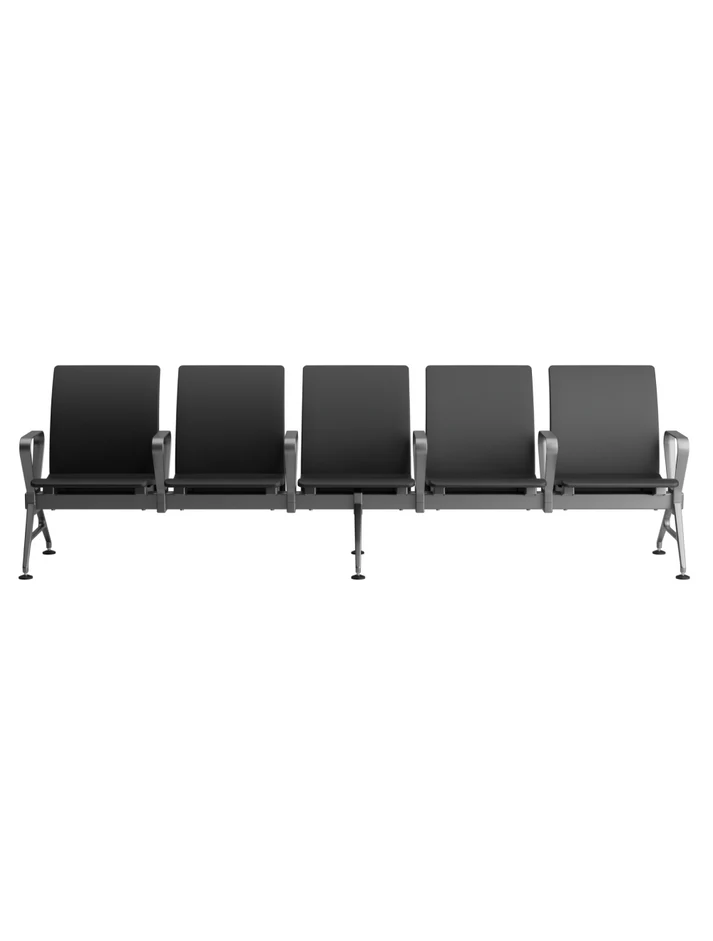
Jupiter Ace Mid Back – 5 seater
Venus Gang Chair 4 Seater
Jupiter Awe 4 Seater
Jupiter Ace Mid Back – 4 seater
Venus Gang Chair 5 Seater
Jupiter Awe 5 Seater
Jupiter Ace Mid Back – 5 seater
Made for crowd that keeps coming
Eye clinics run on volume, and a large share of those passing through are older. Cataract reviews, glaucoma checks, the steady flow of appointments that come with age. That adds up to a great many people lowering themselves into a chair and pushing back out of it across a day, so a firm armrest and a frame that holds its ground rather than skidding away are quietly important. They turn an unsteady moment into a simple one.
The same volume is what finds out weak seating. Joints work loose, cushions go flat, frames develop a lean, and the row starts to look tired while everything around it stays pristine. Well-built chairs shrug off that wear and keep their shape long after lesser ones have begun to sag.
People often don't come alone
Not everyone walks into an eye clinic on their own. Plenty arrive with a partner, a son or daughter, or a friend who has come along to help them get home afterwards. So the number of seats needed is rarely about patients alone. For every person waiting to be seen, there is often a second one sitting right beside them, in for the same long wait.
That is part of why linked rows work so well here. Two people who came together can sit side by side without dragging chairs
The small things that matter
A waiting room should feel calm, and small things can spoil that quickly. A chair leg that scrapes along the floor, or a frame that creaks every time someone moves, stands out in a quiet room. Chairs that sit firm and stay quiet keep the space calm.
Cleaning matters too. Chairs are leaned on, touched and sometimes spilled on all day. Fabric soaks up spills and holds the smell, which makes it hard to keep fresh. A smooth seat that wipes clean in seconds is far better for a clinic.
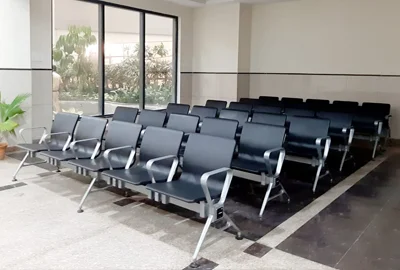
Layout helps as well. Linked beam seating in neat rows keeps the floor clear and easy to walk through. It comes in sets of two, three, four or five to suit the space, and some rows include a small side table for a bag or a pair of glasses.
Where Syona chairs come in
This is precisely the room Syona waiting chairs were designed for. The seats and back shells are moulded from engineering polymer, which keeps its shape, wipes clean in moments and never takes on the chill that bare metal does in an air-conditioned room. The armrests are pressure die-cast aluminium, firm enough to bear a person’s full weight while sitting or rising, which counts for a lot in a place full of older visitors.
Fine perforations across the seat let air move through, a welcome thing in warm and humid weather. Where a clinic favours a touch of cushioning, the PU foam can be made to a fire-retardant standard, the kind of safeguard any public space benefits from. The chairs are offered in rows from two seats to five, in colours chosen to suit the interior, and each is backed by a warranty measured in years.
Its task is a modest one, carried out over and over without complaint: to hold a person through the wait, to give them something steady to rise from, and to look the part for years rather than months. A chair that manages all of that simply disappears into the day, and for a waiting chair there is no higher compliment.